
7 Mistakes You’re Making with Layered Lighting (and How to Fix Them with Crystal Accents)
TRANSFORM YOUR SPACE WITH PROPER LIGHTING TECHNIQUE. Most homeowners create harsh, unwelcoming environments through basic lighting errors. FIX THESE ISSUES WITH STRATEGIC CRYSTAL ACCENT PLACEMENT.
Mistake #1: Relying on Single Overhead Fixtures
STOP USING ONE CEILING LIGHT FOR ENTIRE ROOMS. This creates flat illumination with harsh shadows. Your space appears institutional and cold.
CRYSTAL ACCENT FIX: Add crystal table lamps at multiple heights. Place crystal accent lighting on side tables, consoles, and shelving units. This creates dimensional lighting layers that eliminate shadow zones.
Install dimmable crystal fixtures for adjustable ambiance control. COMBINE OVERHEAD WITH CRYSTAL ACCENT PIECES FOR BALANCED ILLUMINATION.

Mistake #2: Ignoring Task Lighting Requirements
GENERAL LIGHTING CANNOT HANDLE SPECIFIC ACTIVITIES. Reading, cooking, and detail work require focused illumination. Without proper task lighting, you strain eyes and reduce functionality.
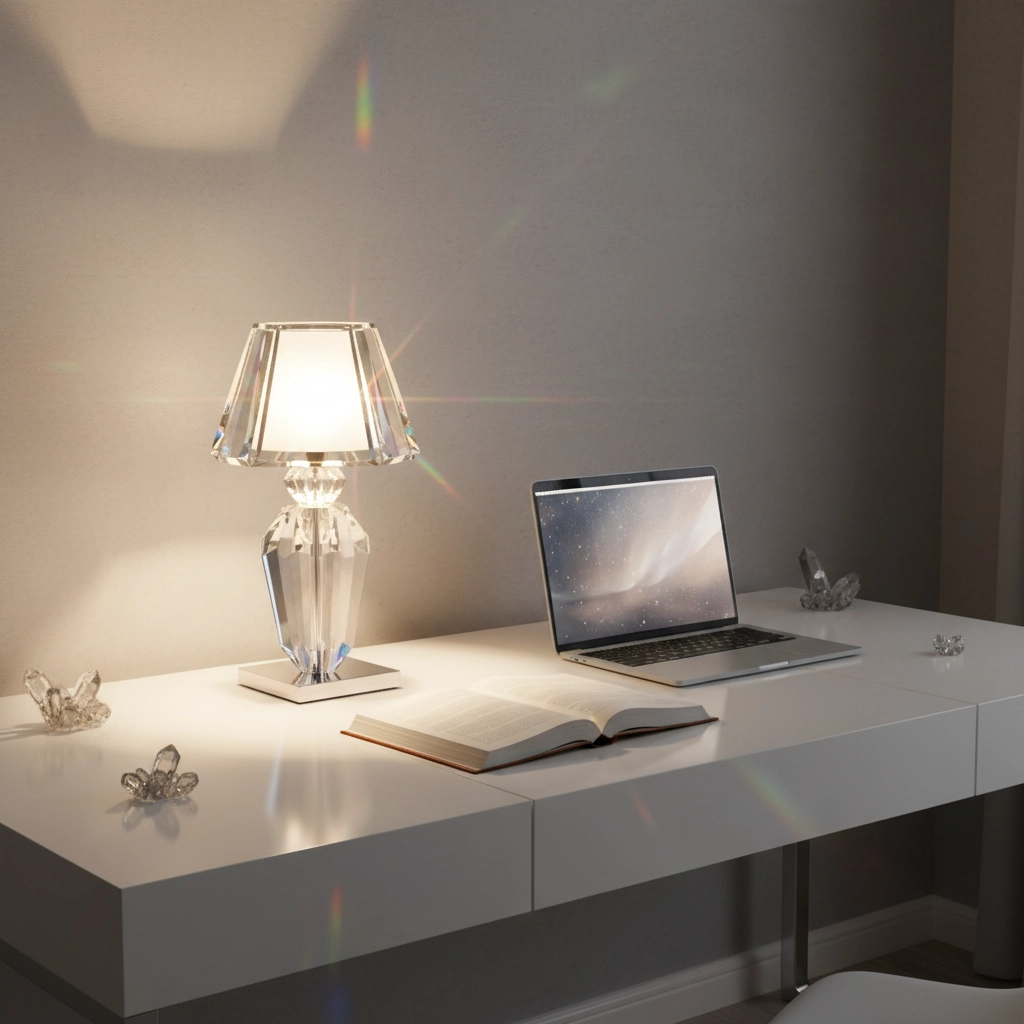
CRYSTAL ACCENT FIX: Position crystal touch lamps near work areas. Crystal desk lamps provide concentrated light while maintaining elegant aesthetics. Touch controls eliminate fumbling for switches during detailed tasks.
USE CRYSTAL ACCENT LIGHTING TO DEFINE FUNCTIONAL ZONES WITHIN LARGER SPACES.
Mistake #3: Missing Color Temperature Coordination
MIXING WARM AND COOL LIGHT SOURCES CREATES VISUAL DISCORD. Different bulb temperatures make colors appear incorrect and create uncomfortable atmosphere.
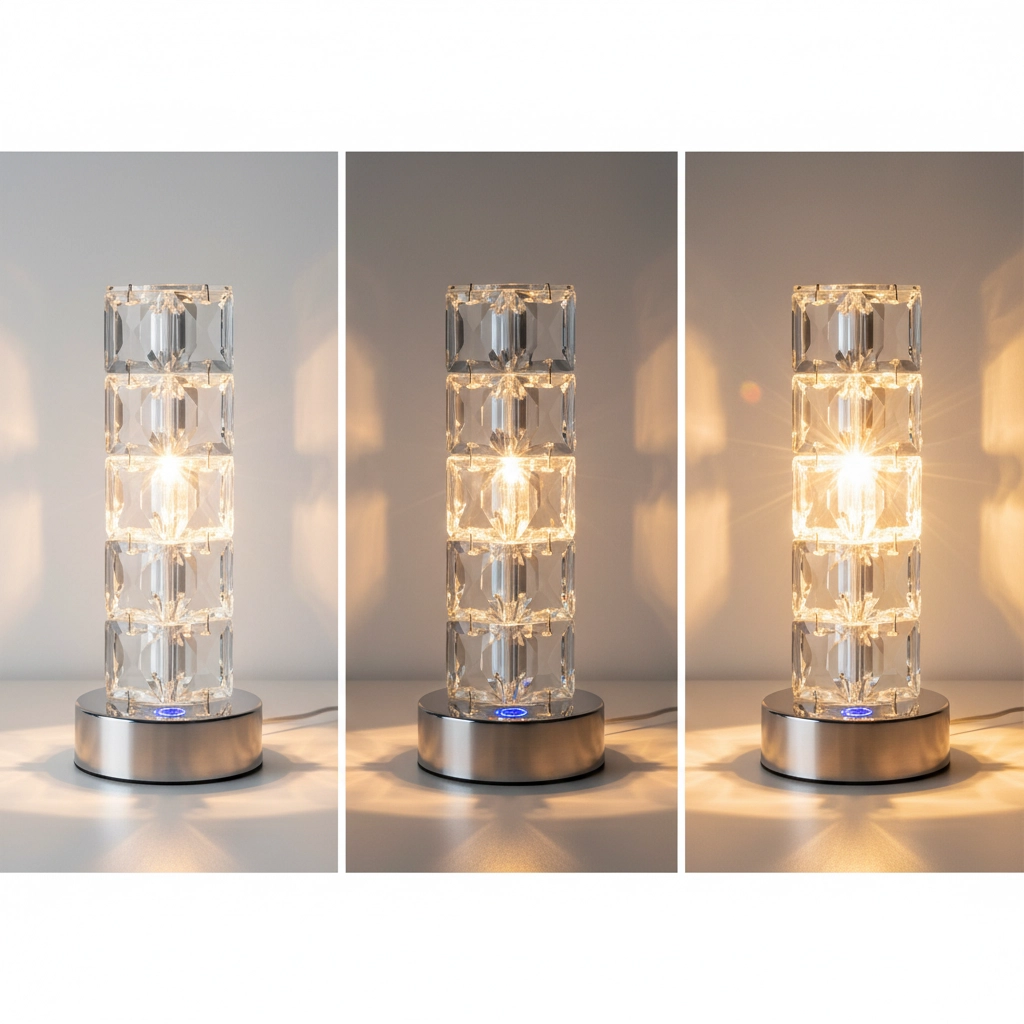
CRYSTAL ACCENT FIX: Select crystal fixtures with consistent LED color temperatures. Match warm white (2700K-3000K) across all crystal accent pieces. Crystal elements naturally diffuse light for softer color rendering.
COORDINATE ALL LIGHT SOURCES TO SINGLE COLOR TEMPERATURE RANGE FOR COHESIVE APPEARANCE.
Mistake #4: Neglecting Corner and Peripheral Spaces
DARK CORNERS MAKE ROOMS FEEL SMALLER AND LESS FUNCTIONAL. Unlit peripheral areas create dead zones that waste square footage.
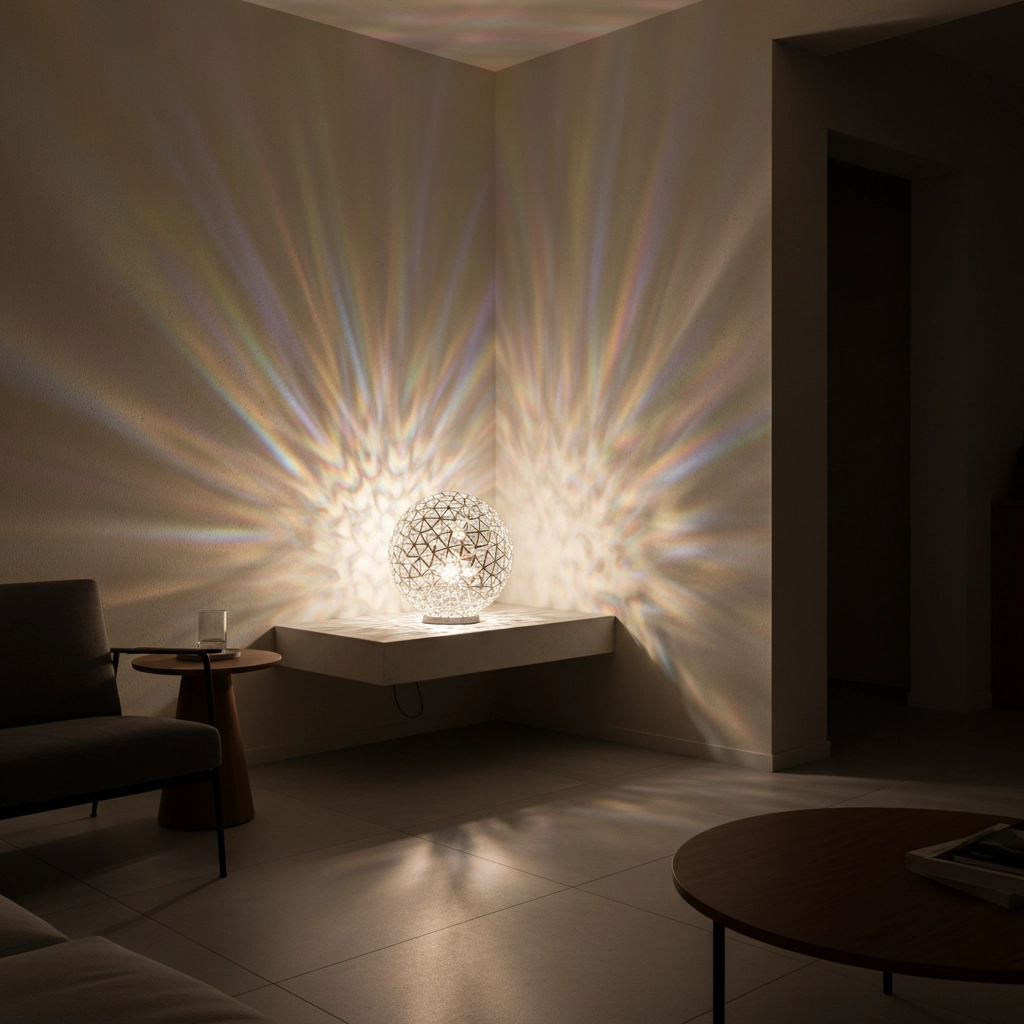
CRYSTAL ACCENT FIX: Install crystal ball ornament lights in forgotten corners. These decorative pieces provide ambient illumination while serving as sculptural elements.
Position crystal accent lighting behind furniture or in alcoves. USE BATTERY-OPERATED CRYSTAL FIXTURES WHERE ELECTRICAL ACCESS IS LIMITED.
Mistake #5: Skipping Dimmer Switch Installation
FIXED BRIGHTNESS PREVENTS ATMOSPHERE ADJUSTMENT. Single-intensity lighting cannot adapt to different times of day or activities.
CRYSTAL ACCENT FIX: Choose touch-controlled crystal lamps with built-in dimming functions. Touch controls provide instant brightness adjustment without wall switch modifications.
INSTALL DIMMABLE CRYSTAL FIXTURES FOR FLEXIBLE LIGHTING CONTROL WITHOUT ELECTRICAL WORK.

Mistake #6: Improper Scale and Proportion
UNDERSIZED OR OVERSIZED FIXTURES DISRUPT ROOM BALANCE. Massive chandeliers overwhelm small spaces while tiny fixtures disappear in large rooms.
CRYSTAL ACCENT FIX: Layer multiple medium-sized crystal pieces instead of single large fixtures. Distribute golden crystal ornaments across different surfaces for proportional balance.
GROUP CRYSTAL ACCENTS IN ODD NUMBERS FOR NATURAL VISUAL APPEAL. Combine different crystal textures and heights for dynamic arrangements.
Mistake #7: Forgetting Vertical Light Distribution
CONCENTRATING ALL LIGHTING AT ONE HEIGHT LEVEL FLATTENS SPACE PERCEPTION. Single-level illumination reduces architectural interest and depth.
CRYSTAL ACCENT FIX: Position crystal lighting at three distinct heights - floor level, table height, and wall-mounted positions. Use crystal table lamps, wall sconces, and floor-standing crystal pieces.
CREATE VERTICAL LIGHT LAYERS WITH CRYSTAL ACCENTS TO ENHANCE SPATIAL DIMENSION.
Essential Crystal Accent Lighting Techniques
LAYERING STRATEGY: Combine ambient, task, and accent lighting using crystal elements. Each layer serves specific functions while maintaining aesthetic consistency.
POWER MANAGEMENT: Select USB-powered crystal lamps for flexible placement without electrical constraints. Battery options provide temporary accent lighting for events or seasonal arrangements.
MAINTENANCE REQUIREMENTS: Crystal surfaces require regular cleaning for optimal light transmission. Use microfiber cloths and appropriate cleaning solutions to maintain brilliance.
BUDGET ALLOCATION: Invest in quality crystal fixtures that provide long-term value. PRIORITIZE DIMMABLE OPTIONS FOR MAXIMUM FLEXIBILITY.
Implementation Guidelines
ROOM ASSESSMENT: Identify existing lighting deficiencies before adding crystal accents. Map dark zones and overlighting areas that require correction.
FIXTURE PLACEMENT: Position crystal accent pieces where natural eye movement occurs. Avoid placing lights directly in sight lines to prevent glare.
ELECTRICAL CONSIDERATIONS: Plan crystal lighting additions around existing electrical infrastructure. Use extension cords temporarily to test optimal placement before permanent installation.
AESTHETIC COORDINATION: Match crystal styles with existing decor elements. Consider metal finishes, crystal cuts, and base materials for cohesive design integration.
SHOP CRYSTAL ACCENT LIGHTING SOLUTIONS AT DECASA BY VS FOR PROFESSIONAL-QUALITY FIXTURES.
Troubleshooting Common Crystal Lighting Issues
GLARE PROBLEMS: Adjust crystal fixture angles to redirect harsh reflections. Use frosted or textured crystal elements for softer light distribution.
INSUFFICIENT BRIGHTNESS: Add multiple crystal accent pieces rather than single high-wattage fixtures. Distributed lighting provides better coverage than concentrated sources.
CLEANING MAINTENANCE: Establish regular crystal cleaning schedules to maintain optimal light output. Accumulated dust reduces illumination effectiveness significantly.
POWER CONSUMPTION: Monitor energy usage when adding multiple crystal accent lights. LED bulbs in crystal fixtures provide maximum efficiency with minimal heat generation.
Professional Installation Recommendations
ELECTRICAL SAFETY: Consult qualified electricians for permanent crystal fixture installations. Improper wiring creates fire hazards and electrical failures.
STRUCTURAL SUPPORT: Verify mounting surfaces can support crystal fixture weight before installation. Wall anchors and ceiling supports require proper load calculations.
SWITCH COMPATIBILITY: Ensure existing switches work with new crystal fixture requirements. Dimmer switches may need replacement for LED compatibility.
COMPLETE YOUR LIGHTING TRANSFORMATION WITH PROFESSIONAL-GRADE CRYSTAL ACCENTS. Browse complete collection for immediate availability and expert support.
Transform harsh, single-source lighting into layered elegance with strategic crystal accent placement. Each fixture correction eliminates common lighting mistakes while enhancing overall aesthetic appeal.