
How to Choose the Best Statement Lighting for Your Entry (Compared): Sculptural vs Traditional
Your entryway sets the tone for your entire home, and nothing creates a more dramatic first impression than the right statement lighting. But when it comes to choosing between sculptural and traditional fixtures, the decision can feel overwhelming. Both styles offer distinct advantages, and the wrong choice can either underwhelm your space or clash with your home's aesthetic entirely.
The key lies in understanding how each approach serves different design philosophies, spatial requirements, and lifestyle needs. Let's break down everything you need to know to make the perfect choice for your entry.
Understanding Sculptural Statement Lighting
Sculptural lighting treats illumination as an art form. These fixtures prioritize bold, geometric shapes and innovative materials, transforming functional lighting into conversation-starting centerpieces. Think oversized pendant clusters, asymmetrical chandeliers, or fixtures that seem to defy gravity.
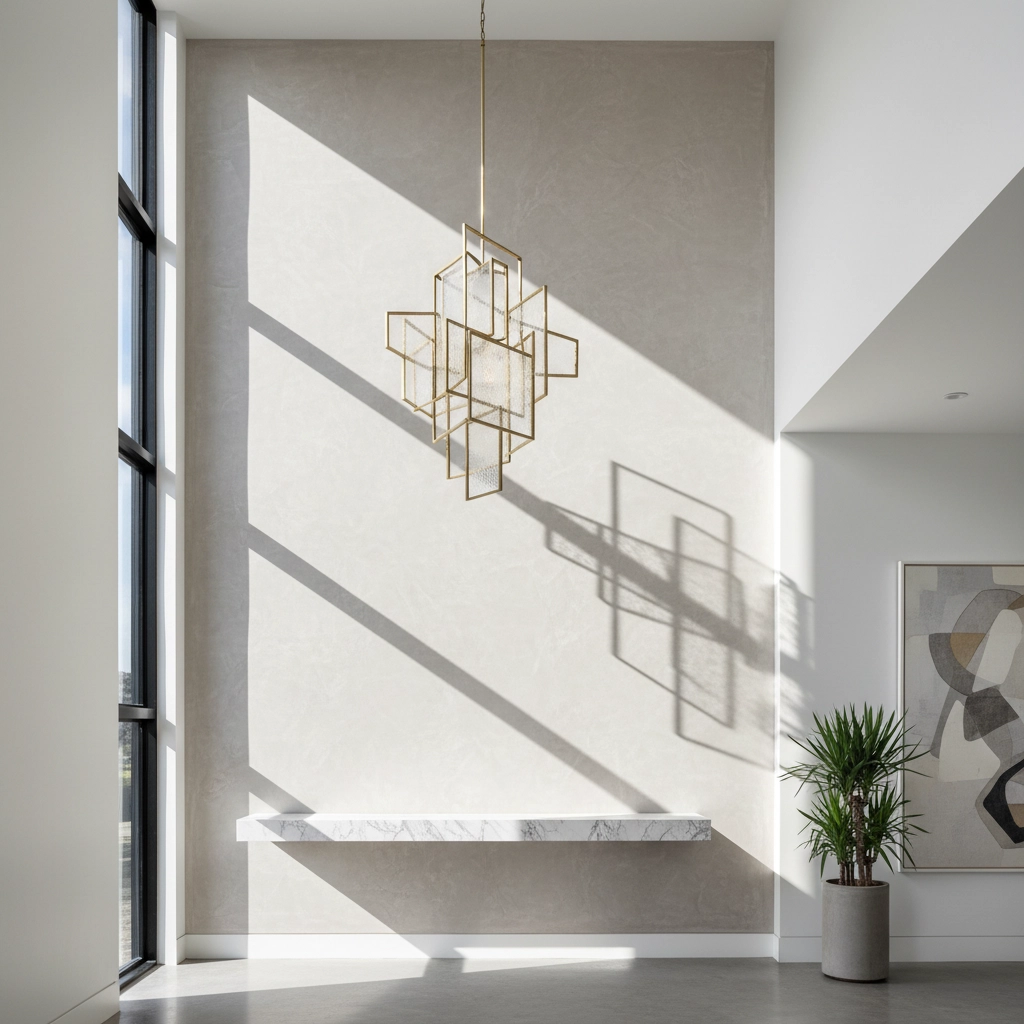
Key Characteristics:
- Clean, minimalist lines with dramatic silhouettes
- Materials like brushed metals, colored glass, or acrylic
- LED-integrated designs for energy efficiency
- Geometric or organic forms that create visual interest
- Often feature adjustable components or modular designs
Sculptural Lighting Strengths: Modern sculptural fixtures excel in contemporary and transitional homes. They create immediate visual impact without overwhelming smaller spaces, and their streamlined designs complement minimalist aesthetics perfectly. Many sculptural pieces incorporate the latest LED technology, offering superior energy efficiency and longevity.
The versatility of sculptural lighting shines in homes with unique architectural features. These fixtures can emphasize high ceilings, complement open floor plans, and work beautifully with modern art collections.
Potential Drawbacks: Sculptural fixtures can feel cold or impersonal in traditionally styled homes. Some designs prioritize form over function, potentially providing insufficient ambient lighting for practical use. Additionally, highly contemporary pieces may feel dated as design trends evolve.
Traditional Statement Lighting Explained
Traditional statement lighting draws from historical design elements, emphasizing ornate details, luxurious materials, and time-tested elegance. Crystal chandeliers, wrought iron lanterns, and brass pendant fixtures all fall into this category.
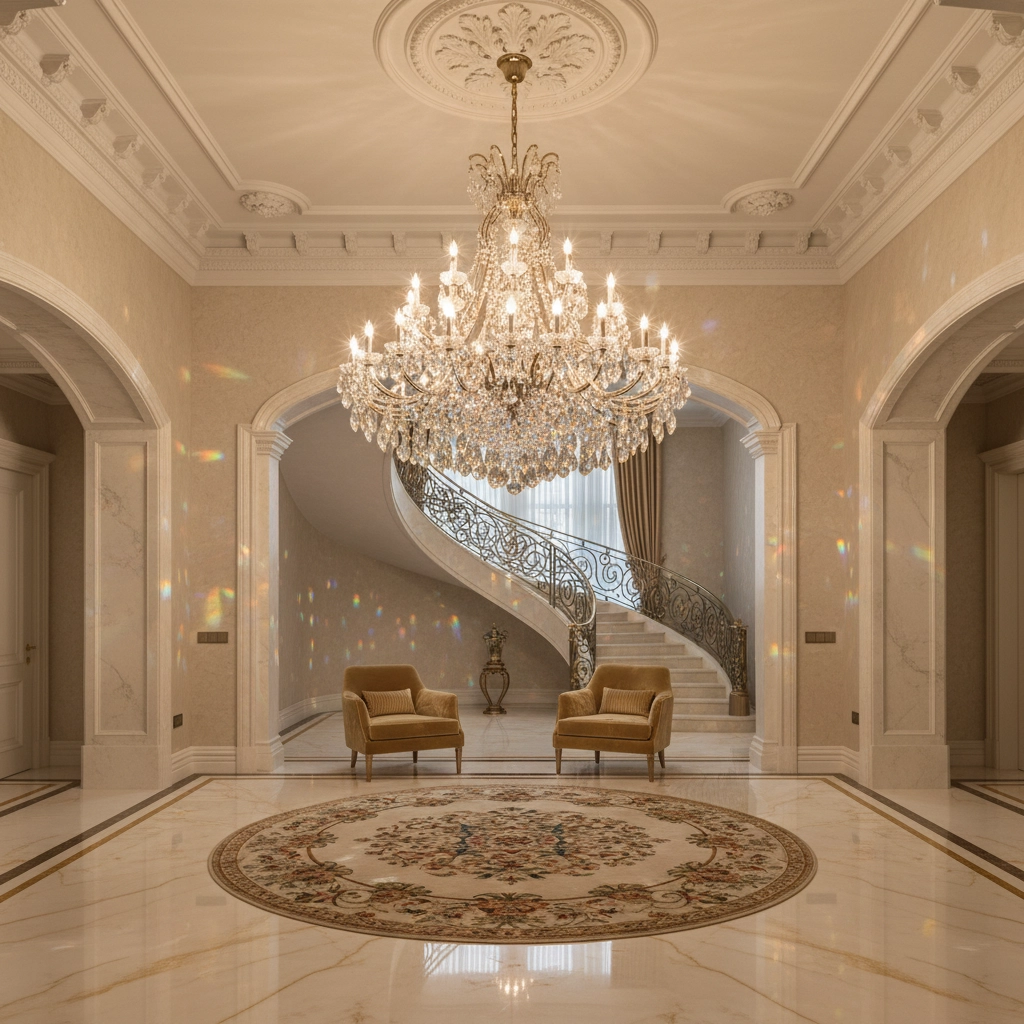
Key Characteristics:
- Intricate detailing and decorative elements
- Premium materials like crystal, brass, or hand-forged metals
- Warm, ambient light distribution
- Classic proportions and symmetrical designs
- Often feature multiple light sources for layered illumination
Traditional Lighting Strengths: Traditional fixtures create warm, welcoming environments that feel immediately inviting. Their timeless designs ensure longevity, both aesthetically and functionally. Quality traditional pieces often become family heirlooms, maintaining their appeal across generations.
These fixtures excel in homes with period architecture, formal dining spaces, and entries that prioritize elegance over contemporary flair. Traditional lighting also provides excellent ambient illumination, creating soft, flattering light for guests.
Potential Drawbacks: Traditional fixtures require more maintenance, especially crystal chandeliers that need regular cleaning to maintain their sparkle. They can feel heavy or overwhelming in smaller spaces, and their ornate details may clash with modern architectural elements.
Direct Comparison: Sculptural vs Traditional
Design Philosophy
Sculptural lighting embraces innovation and artistic expression, while traditional lighting celebrates historical craftsmanship and proven design principles. Your choice depends on whether you prioritize cutting-edge aesthetics or timeless elegance.
Space Requirements
Sculptural fixtures often work better in smaller entries, as their streamlined profiles don't dominate the space. Traditional pieces typically require more room to showcase their intricate details properly.
Maintenance Needs
Sculptural fixtures generally require minimal upkeep beyond occasional dusting. Traditional pieces, particularly crystal chandeliers, demand regular cleaning and careful handling of delicate components.
Light Quality
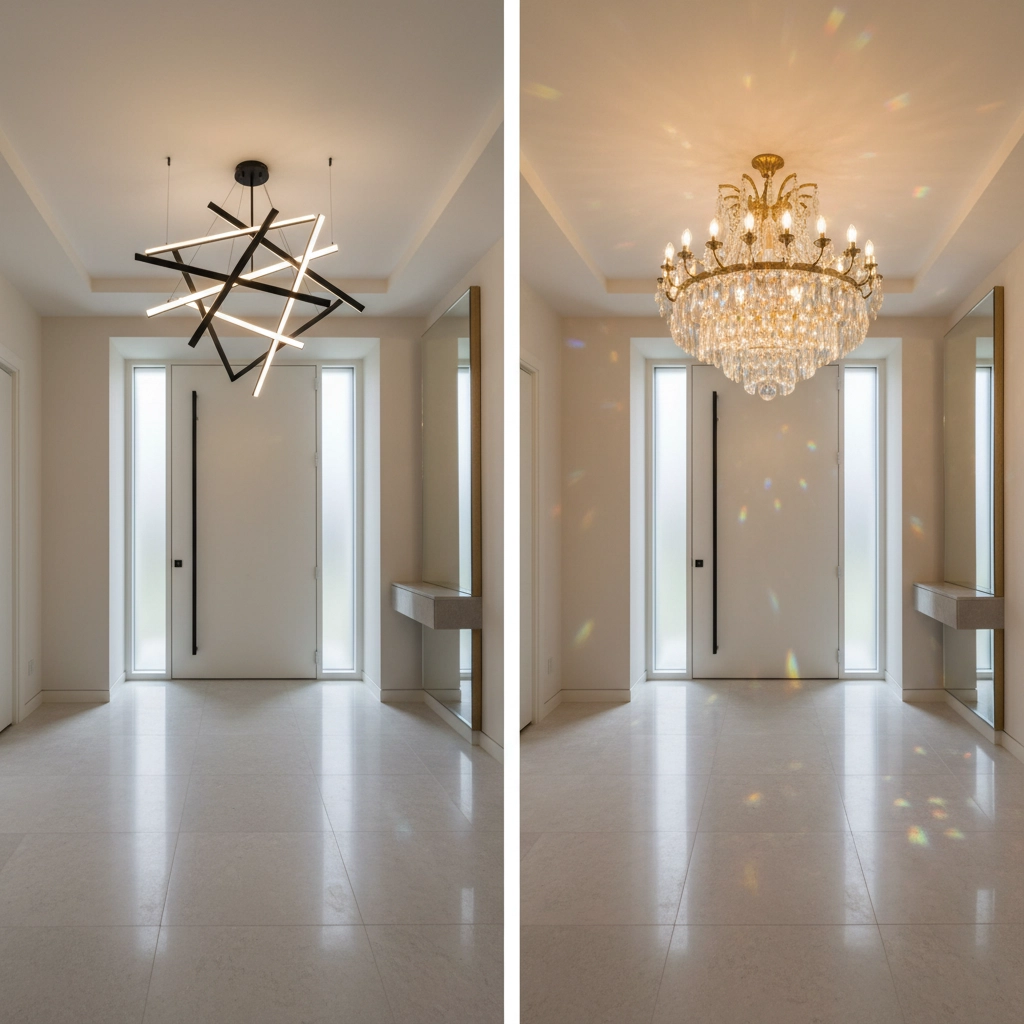
Traditional fixtures excel at creating warm, ambient lighting through multiple light sources and light-diffusing materials. Sculptural pieces often provide more focused, directional lighting that may require supplementary fixtures for complete room illumination.
Investment Value
Quality traditional pieces often retain or increase their value over time, especially antique or designer fixtures. Sculptural pieces may fluctuate with design trends but can appreciate if they become iconic designs.
How to Choose the Right Style for Your Entry
Consider Your Home's Architecture
Match your lighting choice to your home's overall style. Colonial, Victorian, or Tudor homes typically suit traditional fixtures, while contemporary, mid-century modern, or minimalist homes pair beautifully with sculptural pieces.
Evaluate Your Space Dimensions
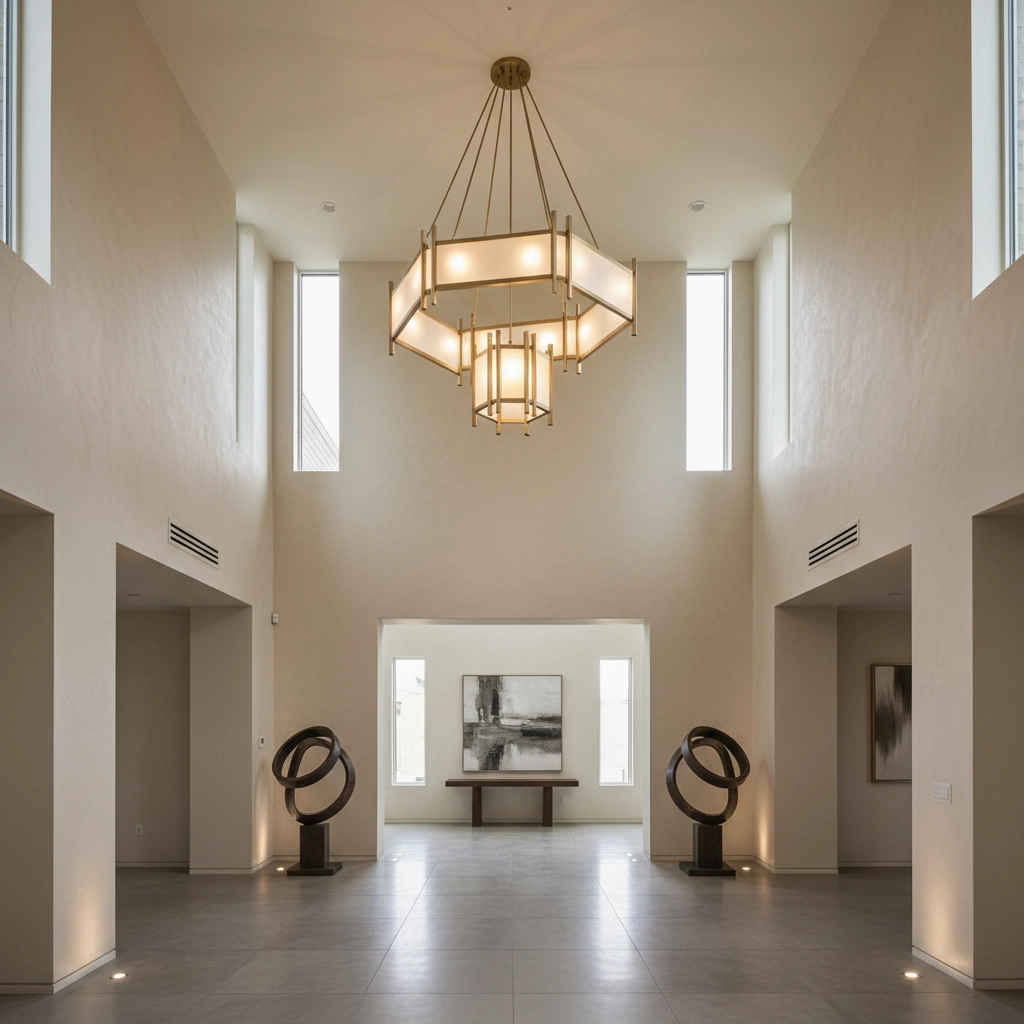
Measure your entry carefully. For standard 8-foot ceilings, choose fixtures 12-20 inches in diameter. Higher ceilings can accommodate larger, more dramatic pieces. Traditional fixtures generally require more clearance than streamlined sculptural designs.
Assess Your Lighting Needs
Consider how much illumination your entry requires. If it's your primary light source, traditional fixtures with multiple bulbs may serve better. If you have additional lighting layers, sculptural pieces can focus on visual impact.
Think About Long-term Appeal
Traditional fixtures offer proven longevity, while sculptural pieces may feel dated as trends evolve. However, truly exceptional sculptural designs can become timeless classics.
Making the Final Decision
Choose Sculptural If:
- Your home features contemporary or transitional architecture
- You prefer low-maintenance fixtures
- Your entry has limited space or unusual proportions
- You enjoy staying current with design trends
- Energy efficiency is a priority
Choose Traditional If:
- Your home has period architecture or formal styling
- You value craftsmanship and heritage designs
- Your entry can accommodate larger, more elaborate fixtures
- You prefer warm, ambient lighting
- You want an investment piece with lasting appeal
Hybrid Approach
Consider modern interpretations of traditional styles or simplified traditional forms. These pieces bridge both worlds, offering familiar silhouettes with contemporary finishes and updated proportions.
Installation and Sizing Guidelines
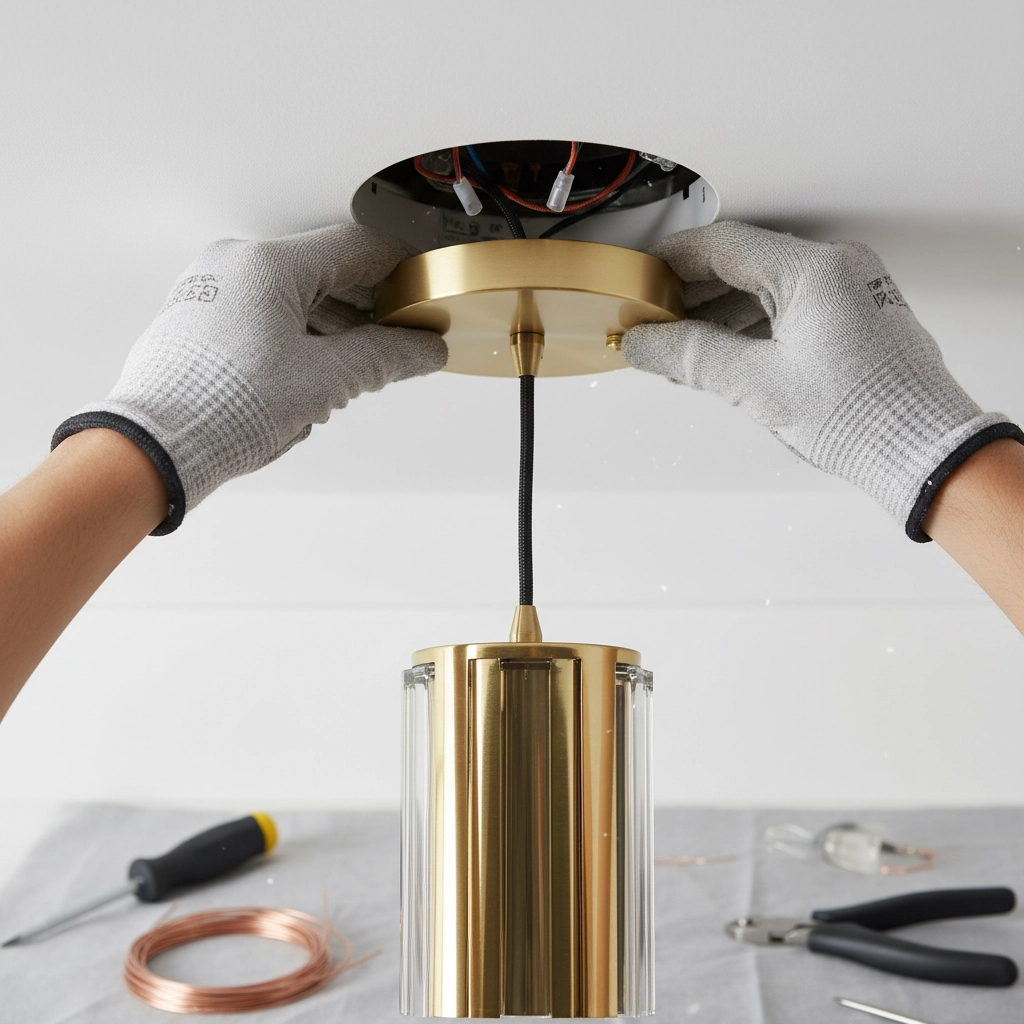
Proper sizing ensures your statement piece creates the right impact. For entryways, add your room's length and width in feet, then convert to inches for your fixture's maximum diameter. Hang chandeliers 7-8 feet from the floor in standard entries, or 3 feet above console tables.
Professional installation is crucial for both safety and optimal positioning. Many statement fixtures require additional ceiling support, especially larger traditional chandeliers or heavy sculptural pieces.
Final Considerations
Both sculptural and traditional statement lighting can transform your entry into a memorable space. The best choice depends on your personal style, home architecture, and practical requirements. Consider visiting showrooms to see fixtures in person, as photos rarely capture their true scale and presence.
Remember that your entry lighting sets expectations for your entire home. Choose a fixture that reflects your personality while complementing your space's architectural character. Whether you select a bold sculptural statement or an elegant traditional piece, the right fixture will welcome guests with style and create a lasting impression.
For more inspiration and to explore our curated collection of statement lighting pieces, visit our showroom or browse our latest design ideas.